← 30-Minute Dinner Recipes That Actually Deliver on Flavor and Speed Asian-Inspired Pork Chop Recipes: Bold Flavors for Every Table →
Chicken breast is one of the most versatile proteins in Asian cooking. Lean, tender, and quick to absorb bold flavors, it soaks up everything from ginger and soy sauce to lemongrass and sesame oil like a sponge. Whether you're recreating a street food classic or putting a modern spin on a family staple, chicken breast delivers satisfying results without a lot of fuss. Across East Asia, Southeast Asia, and beyond, this humble cut has earned its place at the center of the table — and once you learn a few key techniques, you'll understand exactly why.
How to Bake a Perfectly Juicy Chicken Breast with Asian-Inspired Flavors
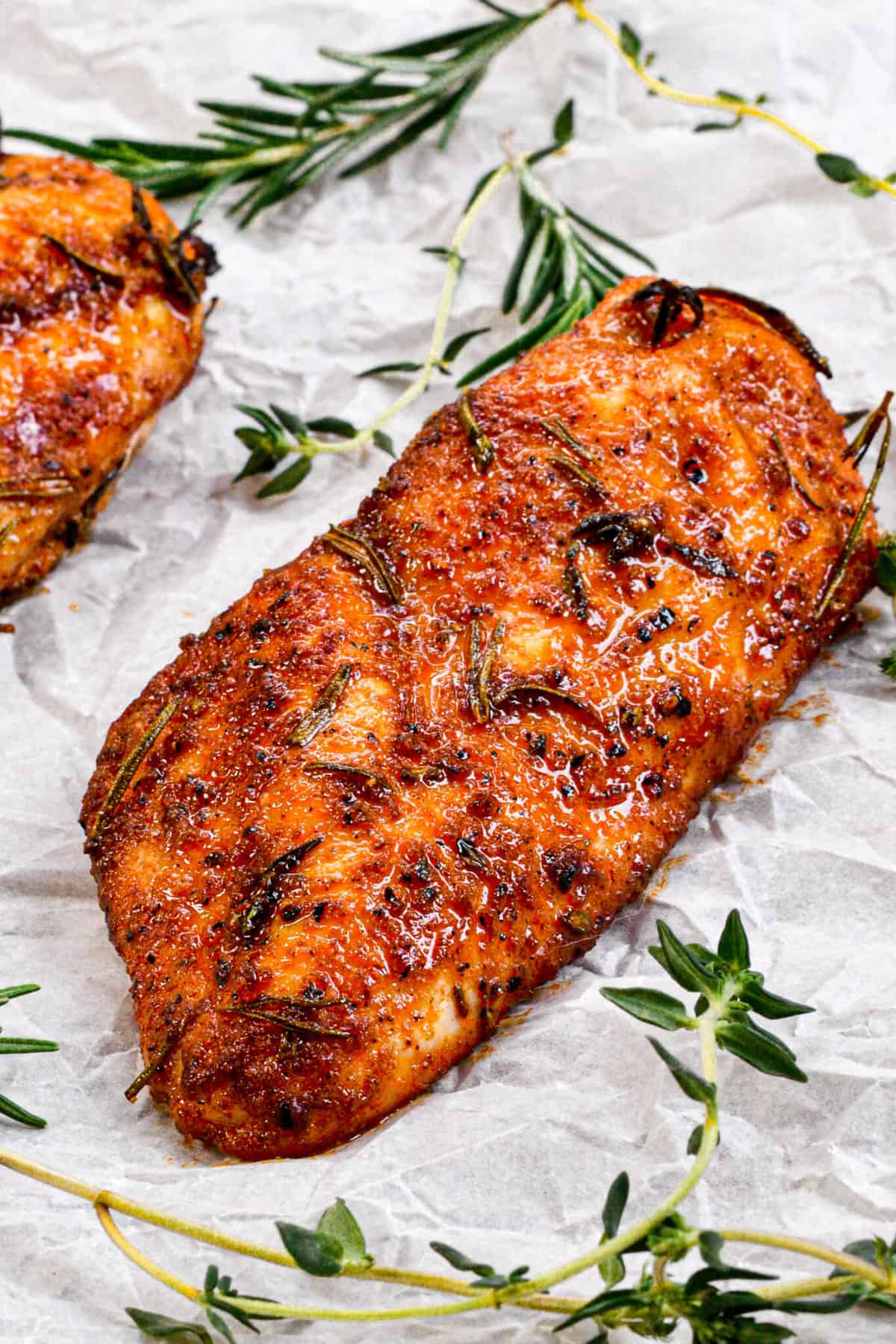
The secret to a truly juicy baked chicken breast lies in the marinade and oven temperature. For an Asian-inspired version, combine soy sauce, fresh minced ginger, garlic, a touch of honey, and a drizzle of sesame oil. Let the chicken soak in this mixture for at least 30 minutes — overnight if you can manage it. The soy sauce acts as a natural brine, drawing moisture deep into the meat while adding that savory umami depth that defines much of Asian cooking. When it's time to bake, use a high heat of around 425°F and resist the urge to overcook. Pull the chicken out when the internal temperature hits 165°F, then tent it loosely with foil and let it rest for five minutes before slicing. This resting step is non-negotiable — it keeps all those flavorful juices locked inside instead of running out onto the cutting board. Serve sliced over steamed jasmine rice with a drizzle of the pan drippings and a sprinkle of toasted sesame seeds and sliced scallions. The result is clean, bright, and deeply satisfying — the kind of weeknight dinner that feels effortless but tastes like you put in serious effort.
Regional Asian Variations Worth Trying at Home
Once you've nailed the basic baked method, it's worth exploring how different Asian culinary traditions approach chicken breast. In Japanese, a simple teriyaki glaze made from mirin, sake, soy sauce, and sugar creates a lacquered finish that caramelizes beautifully in the oven. Korean cuisine brings gochujang into the mix — a fermented red chili paste that adds heat sweetness, and complexity at once. Aochujang-marinated b chicken breast served alongside kimchi and steamed shortgrain rice is a meal that hits every flavor note. In Thai cooking, lemongrass, fish sauce, lime juice, and galangal create a fragrant marinade that perfumes the entire kitchen as bakes. Vietnamese-style chicken breast often features a caramel-based sauce with sauce and black pepper, giving meat a deeply savory, slightly sweet coating with a gorgeous amber color. Chinese five-spice powder mixed with hoisin sauce and rice vinegar is another combination that transforms a plain chicken breast into something richly aromatic. Each tradition has its own pantry staples and profiles, but they all share the same fundamental approach — bold marinades, careful management, and an emphasis on balance between sweet, salty, savory, and sour. Experimenting with these regional styles one of the best ways to expand your cooking repertoire while keeping meals exciting and fresh throughout the week.
Tips for Servingaked Chicken Breast
Presentation matters Asian cooking just as much as flavor does Slice the chicken breast thinly on a slight diagonal to expose the juicy interior and arrange the pieceseatly over a bed of rice or noodles. Garnish generously with fresh herbs like Thai basil, cilantro, or shiso leaves depending on the style you're going for. A side of quick-pickled cucumbers or a simple cucumber salad with rice vinegar and chili flakes adds brightness and cuts through the richness of the marinade. For a complete meal, pair the chicken with a lightiso soup stir-fried bok choy, or a simple seaweed salad. Don't skip the dipping sauces either — a small dish of ponzu, sweet chili sauce, or a g-scallion oil takes the experience to another level. These finishing touches are what transform a good meal into a memorable one, and in Asian food culture, that attention to detail is what is all about.